Source anti-wrinkle waterproof mens straight trousers for hiking, trekking, and work
Compare 30 listings of anti-wrinkle waterproof mens straight trousers featuring poly-cotton blends, nylon, and polyester options. Buyers can evaluate styles, certifications, and customization services for outdoor and casual use.
Key considerations
Products List


Custom Your Own Design Men's Quick Dry Pants Waterproof Golf Casual Hiking Trousers
$14.00 - $20.00
MOQ: 500 Pieces
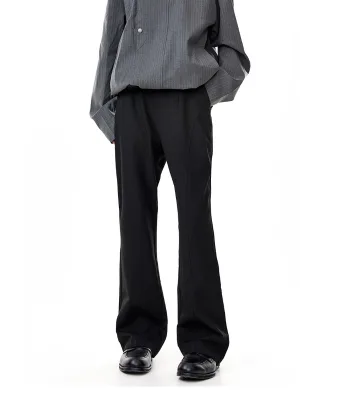
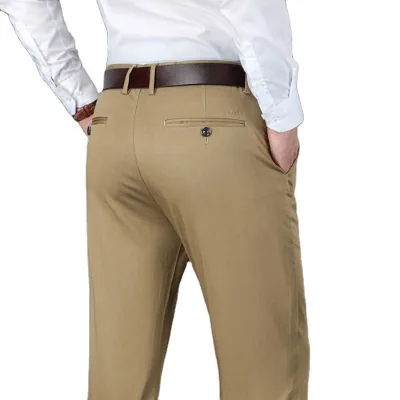
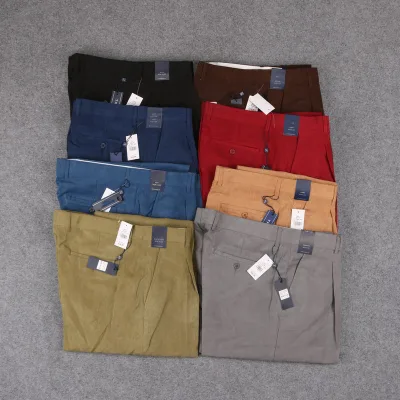
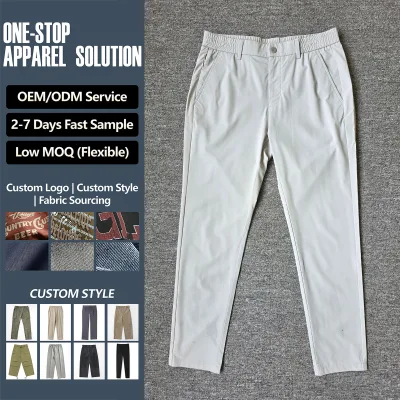


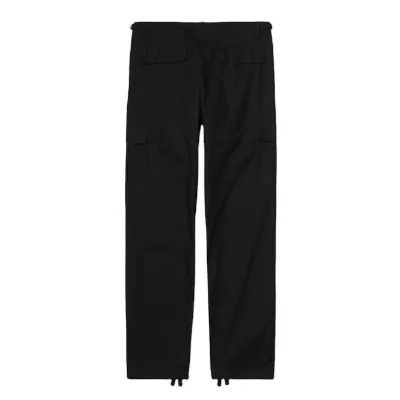
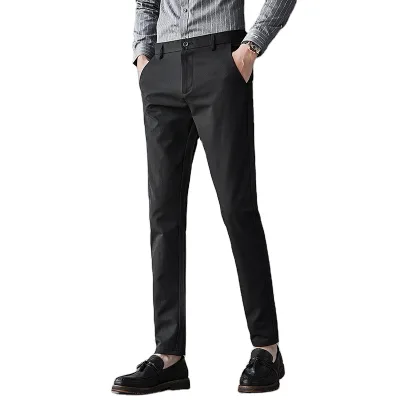
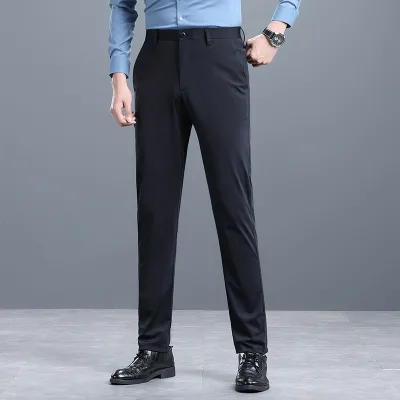
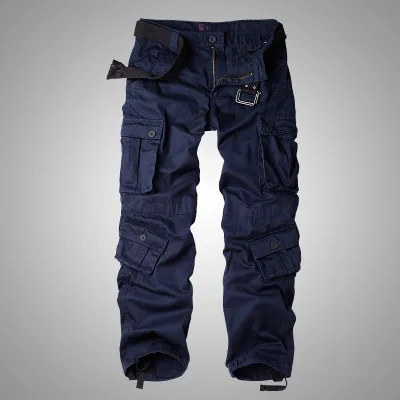
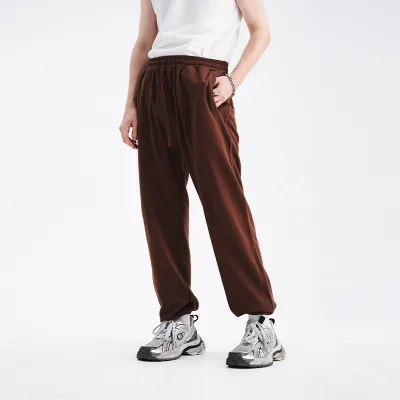


Men Outdoor Hiking Waterproof Fishing Pants Quick Dry Waterproof Trousers
$7.50 - $9.00
MOQ: 500 Pieces


Men's Waterproof Breathable Overpants - Lightweight Golf & Hiking Rain Trousers
$7.50 - $8.50
MOQ: 1000 Pieces
Comprehensive Sourcing Guide
Strategic Sourcing Guide for Anti-Wrinkle Waterproof Men's Straight Trousers
Understanding Product Specifications and Material Composition
When sourcing anti-wrinkle waterproof men's straight trousers, the primary objective is to identify garments that balance functional durability with aesthetic consistency. The core keyword implies a specific silhouette and performance profile. In the current market, "straight" refers to a cut that runs from the hip to the hem without tapering, offering a classic, professional, or casual look depending on the fabric weight. The "anti-wrinkle" attribute is critical for maintaining a neat appearance during travel or extended wear, while "waterproof" ensures protection against environmental elements.
Based on available product data, the material composition for these trousers varies significantly between suppliers. Some listings specify a Poly-cotton Blend, which offers a balance of the natural feel of cotton with the durability and ease of care associated with synthetic fibers. Other high-performance options utilize Nylon or Polyester, materials known for their inherent water resistance and strength. For instance, specific models in the market are constructed from Nylon, leveraging its lightweight and moisture-wicking properties, while others rely on Polyester for a standard thickness and normal weight profile.
The technical construction of these trousers often involves Plain Dyed techniques, where the fabric is dyed before or after weaving to ensure colorfastness. This process is essential for maintaining the integrity of the waterproof coating. The length is consistently observed as "Long Pants" or "Long," suitable for adult demographics. Some specialized variants, such as those designed for outdoor stretching, hiking, or trekking, incorporate specific technologies like moisture-wicking capabilities to manage perspiration during high-activity scenarios. The thickness of the fabric can range from medium to normal, influencing the seasonal suitability; while some models are marketed for summer use due to their lightweight nature, others are designed for Spring/Autumn conditions.
Functional Attributes and Design Features
The functional requirements for men's straight trousers extend beyond basic water resistance. The market data indicates that "Windproof" and "Waterproof" are frequently paired attributes, suggesting that the fabric treatment is designed to create a barrier against both moisture and air penetration. This is particularly relevant for outdoor activities or work environments where weather exposure is unpredictable. The inclusion of "Side pockets" is a standard design feature, providing utility without compromising the straight silhouette.
Customization is a significant driver in this category. Many suppliers offer OEM services, allowing buyers to tailor the product to specific brand requirements. This includes the ability to customize logos, with options such as "Customized Reflective Printing" available for enhanced visibility in low-light conditions. The "Customization" attribute is broadly available, extending to sample creation. Buyers can often request customized samples within a timeframe of 5-7 days, facilitating rapid prototyping and quality assessment before committing to large-scale orders.
The style of the trousers can vary from "Casual" and "Leisure" to more rugged "Wild" or "Outdoor" aesthetics. For example, specific models are explicitly labeled as "Outdoor Stretch Hiking Trekking Pants," indicating a focus on mobility and durability. These models may feature specific design elements like "Hole" features, which could refer to ventilation points or specific cut-outs for utility. The age group is universally listed as "Adults," and the gender is often "Unisex," allowing for versatile sizing and marketing strategies. The "Straight" model designation appears consistently across various product lines, reinforcing the demand for this specific cut.
Compliance, Certification, and Quality Standards
Navigating the compliance landscape is essential for B2B procurement, particularly when sourcing from international markets. The supply chain for these trousers often originates from China, with specific hubs like Xiamen emerging as key production centers. When evaluating suppliers, buyers must verify the certifications held by the manufacturer. The provided data highlights several high-confidence certifications, including BSCI (Business Social Compliance Initiative) and Oeko-Tex 100. BSCI certification indicates adherence to social compliance standards regarding labor practices, while Oeko-Tex 100 ensures that the textile products are free from harmful substances, a critical factor for consumer safety.
Quality control is another paramount consideration. The market data references specific quality standards such as AQL 2.5 and AQL 4. AQL (Acceptable Quality Limit) is a statistical method used to determine the maximum number of defective items allowed in a batch. An AQL 2.5 standard is generally stricter than AQL 4, implying a higher level of quality control and fewer defects in the final product. Additionally, some suppliers list SGS as a standard, referring to the inspection and testing services provided by the global inspection company. It is important to note that while some background information mentions CE or DIN standards, these are not explicitly confirmed in the high-confidence product facts for this specific category and should be verified directly with the supplier rather than assumed.
The "Weight 200 g" standard is observed in specific product listings, providing a concrete metric for fabric density. This weight is crucial for determining the garment's drape, warmth, and suitability for different seasons. Buyers should request fabric weight specifications for each order to ensure consistency, as variations in weight can significantly impact the perceived quality and functionality of the trousers.
Cost Drivers and Minimum Order Quantities
The economic landscape for sourcing these trousers is influenced by several factors, including material costs, customization levels, and order volume. The observed price range in the market spans from $0.5 to $29.9 USD. This wide disparity reflects the diversity in material quality, brand positioning, and the extent of customization. Lower-priced items typically correspond to basic Poly-cotton blends or Polyester fabrics with minimal customization, while higher-priced items may involve advanced Nylon constructions, specialized waterproofing treatments, and complex branding requirements.
Minimum Order Quantities (MOQ) are another critical cost driver. The observed MOQ range is from 1 to 1000 units. This flexibility allows buyers to test the market with small orders or commit to larger volumes for better unit economics. For buyers seeking customized samples, the ability to order single units or small batches is advantageous. However, for mass production, negotiating MOQs is essential to secure favorable pricing. The "Supply Type" is listed as OEM Service, indicating that suppliers are equipped to handle both small and large orders, provided the MOQ is met.
Packing and logistics also contribute to the overall cost. The data shows varied packing standards, ranging from "1PCS/Polybag" to "20pcs/carton" or "Polybag and Export Carton." The choice of packing affects shipping efficiency and protection during transit. "Sea Transportation" is a common method for bulk shipments, but the specific packing configuration must align with the buyer's logistical requirements to minimize damage and maximize container space.
Supplier Evaluation and Production Capabilities
Selecting the right supplier requires a thorough evaluation of their production capabilities and reliability. The "Supply Type" of OEM Service suggests that suppliers are capable of manufacturing products according to buyer specifications. However, buyers should verify the supplier's capacity to meet specific technical requirements, such as the "Moisture Wicking" and "Lightweight" technologies mentioned in certain product lines. These technologies require specialized machinery and expertise to implement effectively.
The "Sampling Time" of within 5-7 days is a key performance indicator for supplier responsiveness. A short sampling time allows for faster iteration and quicker time-to-market. Buyers should confirm this timeline with potential suppliers, as delays in sampling can cascade into delays in full production. Additionally, the availability of "Customized Samples" indicates a supplier's willingness to engage in the development process, which is crucial for ensuring the final product meets exact expectations.
Origin location is another factor in supplier evaluation. While "China" is the general origin, specific locations like "Xiamen" are noted. Regional clusters often have specialized expertise; for instance, Xiamen may have a concentration of suppliers skilled in textile processing and export logistics. Buyers should consider the proximity of the supplier to ports and their experience with international shipping to ensure smooth delivery.
Quality Control and Long-Term Procurement Considerations
Maintaining quality consistency over time is vital for long-term procurement success. The "Quality Standard" of AQL 2.5 & 4 provides a benchmark for inspection. Buyers should implement a robust quality control plan that includes pre-production sample approval, in-process inspections, and final random inspections based on these AQL levels. The "Standard" of "S-6xl" indicates a wide size range, which requires careful attention to size grading and consistency across the production run.
Packaging standards, such as "Polybag and Export Carton," must be strictly adhered to to prevent damage during transit. The "Product Packing" details, including "1PC/Polybag" or "20pcs/carton," should be clearly defined in the purchase order to avoid confusion. Furthermore, the "Feature" of "Hole" in some models requires specific attention during quality checks to ensure that any cutouts or ventilation points are finished correctly and do not compromise the waterproof integrity.
Long-term procurement strategies should focus on building relationships with suppliers who demonstrate reliability in meeting quality standards and delivery timelines. The availability of "Customized Reflective Printing" and other branding options suggests that suppliers can adapt to changing market trends. Buyers should regularly review supplier performance against the established standards, such as the "Weight 200 g" and "AQL 2.5 & 4" criteria, to ensure continued compliance.
Comparative Analysis of Product Variants
To assist in decision-making, the following table compares key attributes of different product variants found in the market data. This comparison highlights the diversity in materials, standards, and features available to buyers.
| Attribute | Variant A (Outdoor/Trekking) | Variant B (Casual/Leisure) | Variant C (Standard/Work) |
|---|---|---|---|
| Material | Nylon | Poly-cotton Blend | Polyester |
| Function | Windproof, Waterproof | Waterproof | Waterproof |
| Style | Straight, Wild | Straight, Casual | Straight, Leisure |
| Season | Summer | Spring / Autumn | General |
| Thickness | Medium | Normal | Normal |
| Certification | BSCI, Oeko-Tex 100 | BSCI, AQL 2.5 & 4 | SGS, AQL 2.5 & 4 |
| Technology | Moisture Wicking, Lightweight | Plain Dyed | Plain Dyed |
| Model Example | TWP-C8, TWP-C7 | KS5251, KS212-1 | CTZE258, RJ21-01216 |
| Packing | 1PCS/Polybag | 20pcs/carton | 1PC/Polybag |
This table illustrates that while the core "straight" and "waterproof" attributes remain consistent, the underlying material and specific features vary based on the intended use case. Buyers must align their selection with the specific requirements of their target market, whether it be high-performance outdoor activities or everyday casual wear.
Final Procurement Recommendations
In conclusion, sourcing anti-wrinkle waterproof men's straight trousers requires a meticulous approach to verifying technical specifications, certifications, and supplier capabilities. The market offers a wide range of options, from lightweight Nylon trekking pants to durable Poly-cotton blends suitable for casual wear. Buyers should prioritize suppliers who can demonstrate compliance with recognized standards like BSCI and Oeko-Tex 100, and who maintain strict quality control measures such as AQL 2.5 & 4.
When engaging with suppliers, buyers should leverage the availability of customization services to tailor products to their brand identity. The ability to obtain samples within 5-7 days is a significant advantage for rapid product development. Furthermore, understanding the cost drivers, including material composition and MOQs, will help in negotiating favorable terms. By focusing on these evidence-based factors, buyers can secure a reliable supply chain for high-quality men's trousers that meet both functional and aesthetic demands.
FAQs
What materials are used for anti-wrinkle waterproof mens straight trousers?
These trousers are commonly made from Poly-cotton Blend, Nylon, or Polyester. The material choice affects durability and moisture-wicking properties, with Nylon often used for outdoor hiking variants and Poly-cotton blends for casual styles.
Can I get customized samples for these trousers within a week?
Yes, customized samples are available with a sampling time of within 5-7 days. This allows buyers to verify quality and fit before committing to larger production runs under the OEM service model.
Which certifications ensure safety and social compliance for these products?
High-confidence certifications include BSCI and Oeko-Tex 100. BSCI verifies social compliance standards, while Oeko-Tex 100 ensures the textile is free from harmful substances, meeting international safety requirements.
How are these trousers packed for sea transportation?
Packing options include 1PCS/Polybag, 20pcs/carton, or Polybag and Export Carton. The specific packing method depends on the supplier and order volume, ensuring protection during sea transportation.
What is the minimum order quantity for these trousers?
The observed minimum order quantity ranges from 1 to 1000 units. This flexibility allows buyers to test the market with small orders or commit to larger volumes for better unit economics.
Where are these trousers typically manufactured?
The products originate from China, with specific production hubs noted in Xiamen. Buyers should verify the exact origin location to ensure alignment with their logistics and sourcing preferences.